Reliable medical articles explaining symptoms, prevention, and modern treatments.
Incontinence should not be dismissed as a normal result of ageing or childbirth; identifying the type is the first step to treatment.
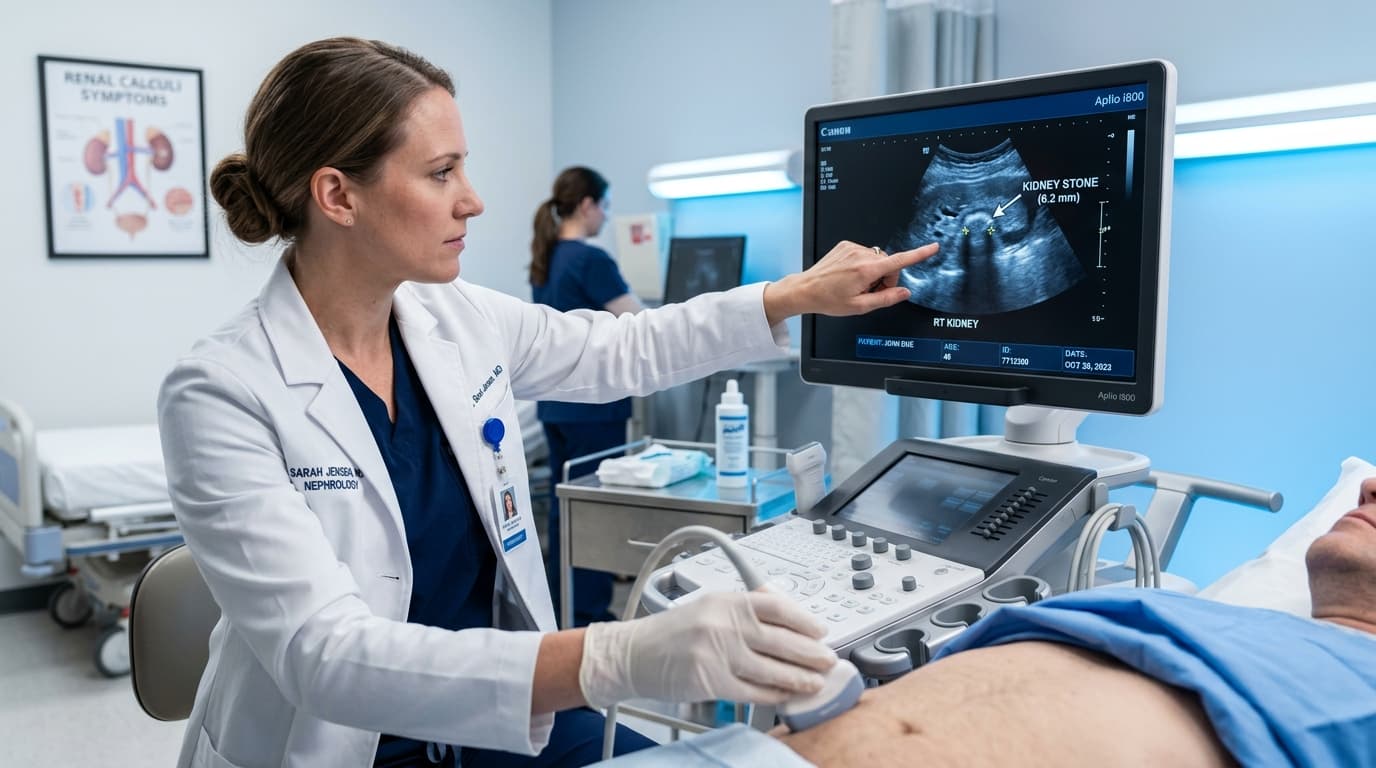
Flank pain, blood in the urine and nausea are common signs — but not every stone causes symptoms.
Adequate fluid intake and dietary adjustment are the most important steps in preventing recurrence.
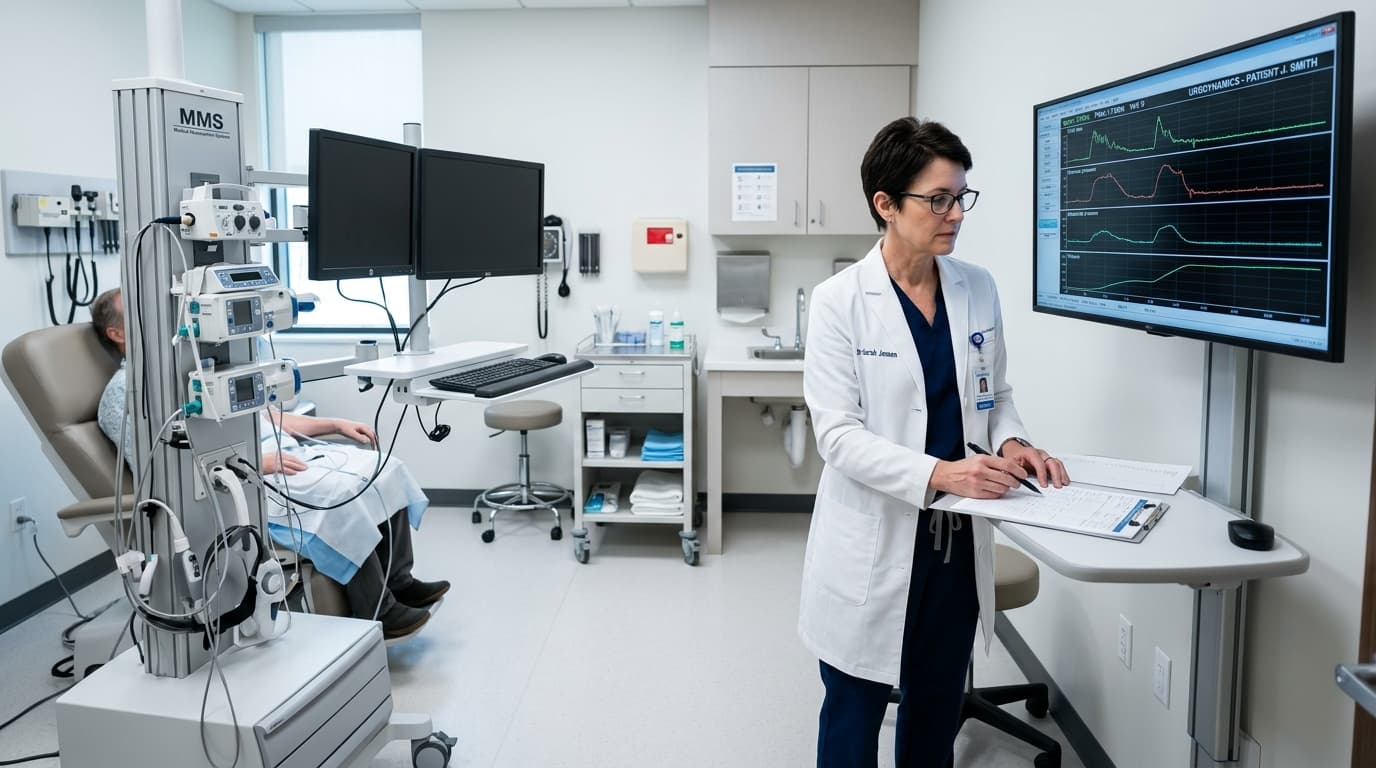
Urodynamics measures how the bladder and urethra work and helps define the type of disorder.
Regular pelvic floor training can meaningfully improve stress incontinence.
Blood in the urine is not always a sign of serious disease, but it should never be ignored.
Cystoscopy lets the doctor look inside the bladder directly and is often done as a day-case.
A weaker stream and waking at night to urinate are among the commonest signs of benign prostatic enlargement.